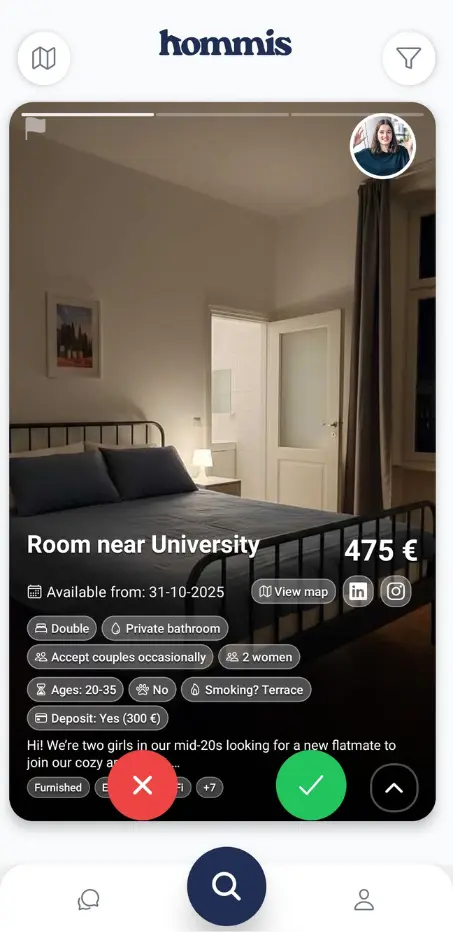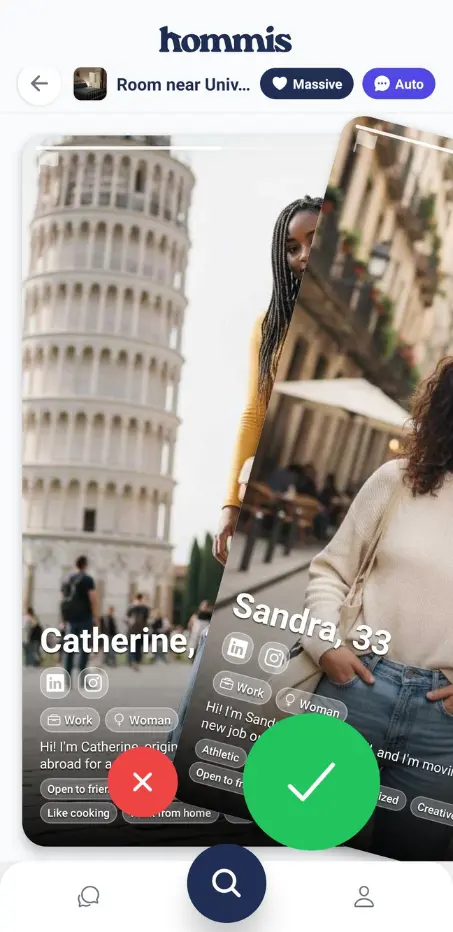
Renting out a room can be a stable source of income and, managed well, very rewarding. The process isn't complicated, but doing it properly — from pricing to tenant selection — makes the difference between a smooth experience and a constant headache.
This guide covers the whole process: how to set the price, how to write a good listing, how to choose the right tenant and how to handle the legal side without unnecessary stress.
Step 1: Set the right price
Charging too much means the room sits empty for weeks. Charging too little leaves money on the table. To find the right price:
Research the local market: Search for rooms similar to yours in your city and neighbourhood on Hommis and SpareRoom. Note size, whether bills are included, the condition of the property and location.
Consider all the factors that affect price:
- Size and condition of the room
- Shared spaces: a garden, terrace or large common areas add value
- Transport links: proximity to tube, bus or train increases value
- Whether bills (water, electricity, internet) are included
- Whether parking is available
- Overall condition of the property
A practical rule: Look at the 10 most similar listings to yours, remove the most expensive and cheapest, and price in the upper half if your property is above average, or in the middle if it's standard. This ensures demand without underselling.
Step 2: Prepare the room for rental
Before listing, make sure:
- The room is clean and free of the previous tenant's belongings
- The bed, wardrobe and basic furniture are in good condition (if furnished)
- Sockets, heating and any air conditioning work properly
- The shared bathroom and kitchen are clean and well-maintained
- The photos you'll take accurately reflect the reality
A well-presented room can justify a price 10–15% higher and halves the time it takes to find a tenant.
Step 3: Take photos that sell
Photos are the first thing a prospective tenant sees and determine whether they keep reading or move on. To take good ones:
- Natural light: Photograph during the day, open blinds and curtains fully.
- Tidy up: Remove any personal items that aren't part of the furniture.
- Wide angles: Stand in the corner to show as much of the room as possible.
- Include shared spaces: A photo of the bathroom, kitchen and living room gives important context and reduces basic questions.
- Good enough quality: You don't need a professional camera; a modern phone works well if the light is good.
Step 4: Write a clear, honest listing
A good listing doesn't oversell or hide anything. Include:
- Price and what's included: "£800/month all bills included" or "£700/month + bills (approx. £80–100/month split between X people)"
- Room description: approximate size, whether it has a window, whether it's furnished
- Property description: number of rooms, bathrooms, floor, lift
- Location and transport: neighbourhood and nearby tube/bus lines
- Who already lives there: "we're 2 professionals in our late 20s, looking for a third easy-going person"
- What you're looking for: not as a strict filter, but as helpful context
Honesty in the listing pre-filters enquiries: if you mention there's no lift and the room is on the fifth floor, only people who don't mind will contact you. That saves everyone time.
Step 5: List on the right platforms
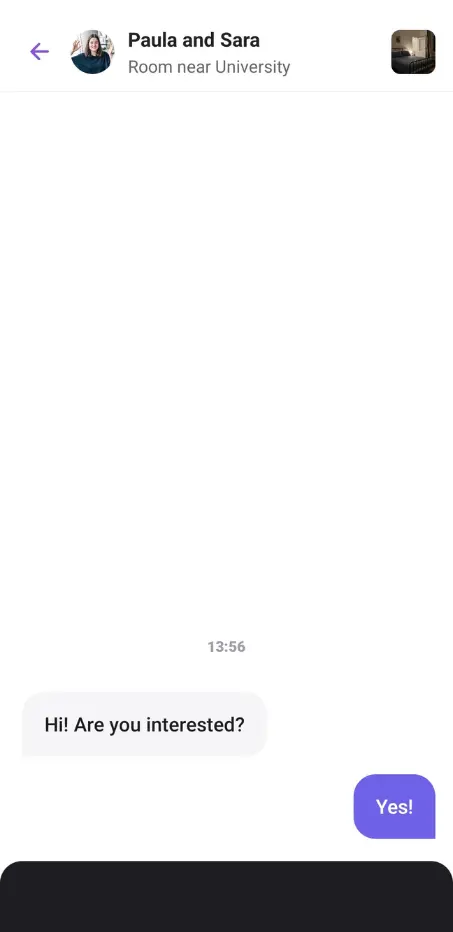
Hommis is the most direct platform for connecting with room seekers. The match system means that when someone swipes right on your listing and you're also interested in their profile, a chat opens. This filters contacts: you only speak with people who genuinely fit what you're offering.